
How to Choose a Custom Home Builder
Building a home from the ground up is one of the largest financial and personal decisions most people ever make, and the builder you choose shapes nearly every part of that experience. A great design on paper can still turn into a frustrating process with the wrong team behind it. Here is how to choose a custom home builder based on what actually matters, beyond a nice showroom and a friendly sales pitch.
Start With Experience and a Real Portfolio
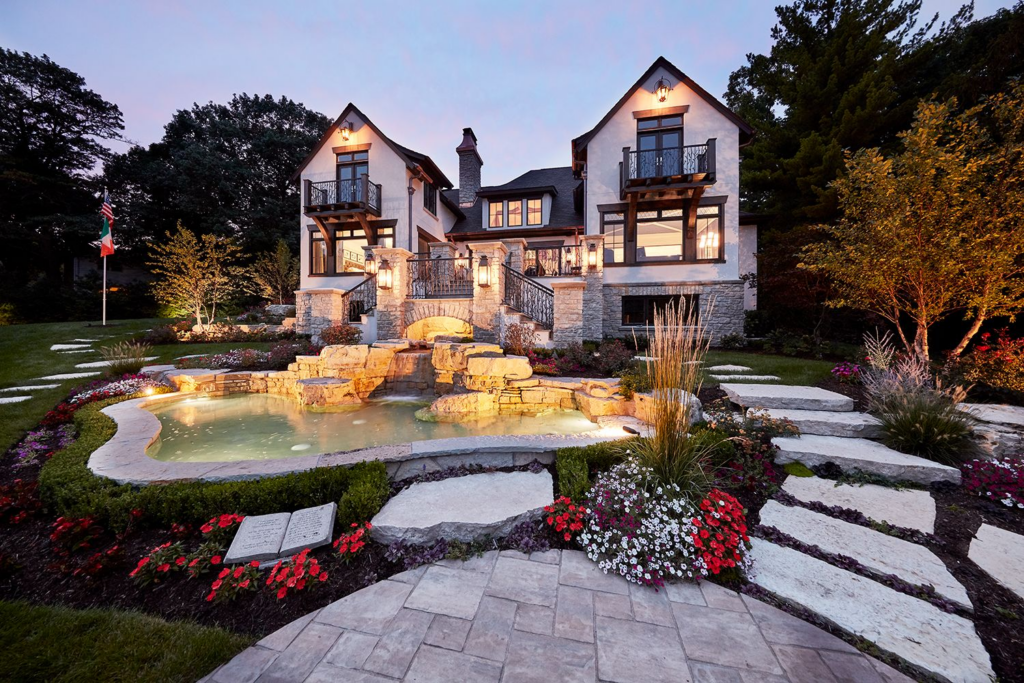
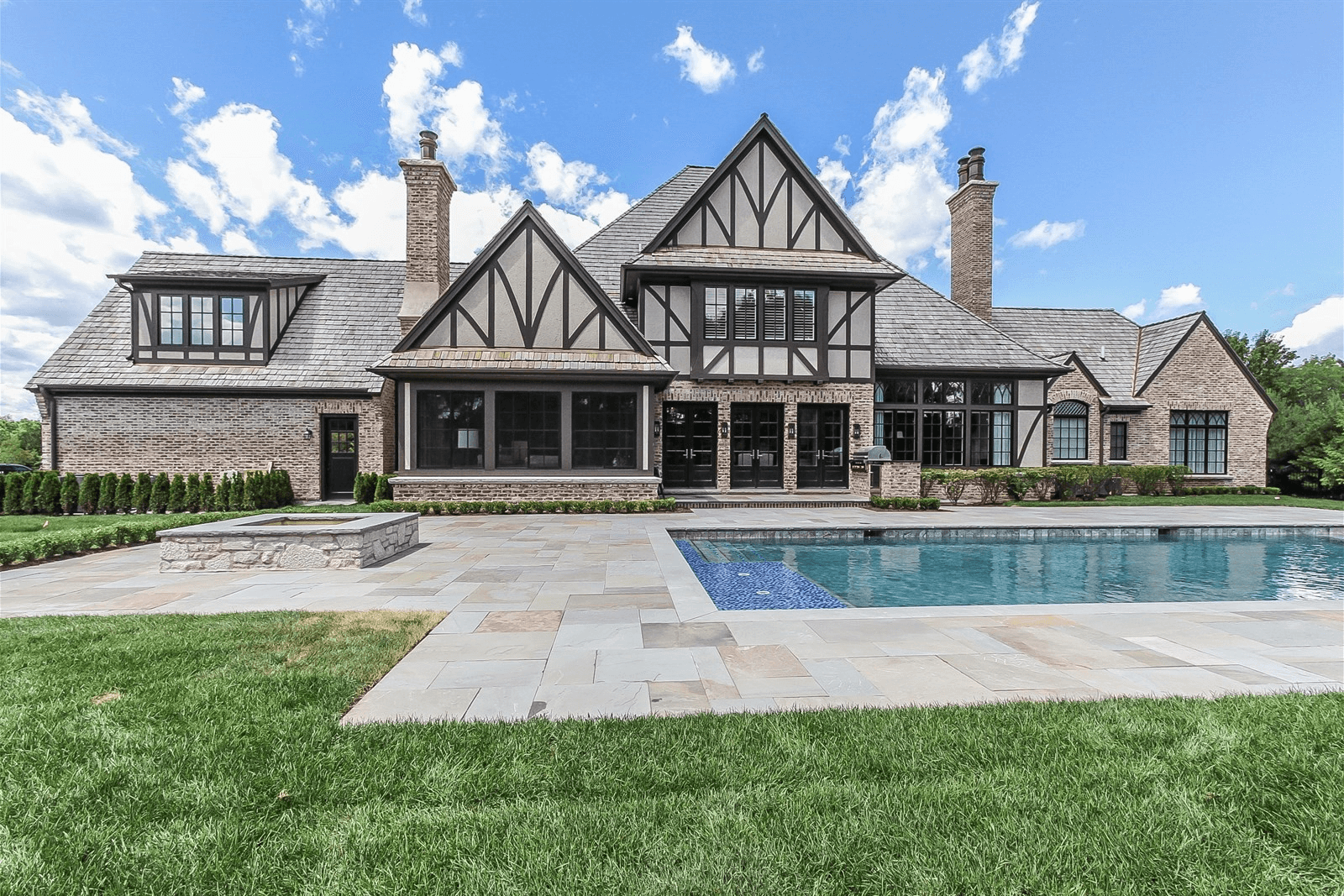
A strong track record is the clearest signal of what you can expect. Ask to see completed homes in person, not just photos on a website, and pay attention to details like trim work, finish quality, and how well the layout actually functions day to day.
A builder with years of local experience will also understand the quirks of building in your specific area, from soil conditions to seasonal weather delays, in a way that a newer or out-of-area company simply has not encountered yet.
If possible, read reviews from past clients or ask to speak with one directly, since a five-minute conversation with someone who lived through the process often tells you more than an hour of marketing material ever could.
Check Licensing, Insurance, and Local Permitting Knowledge
Confirm that any builder you are considering carries proper licensing and insurance before you go further, and ask to see documentation rather than taking it on faith.
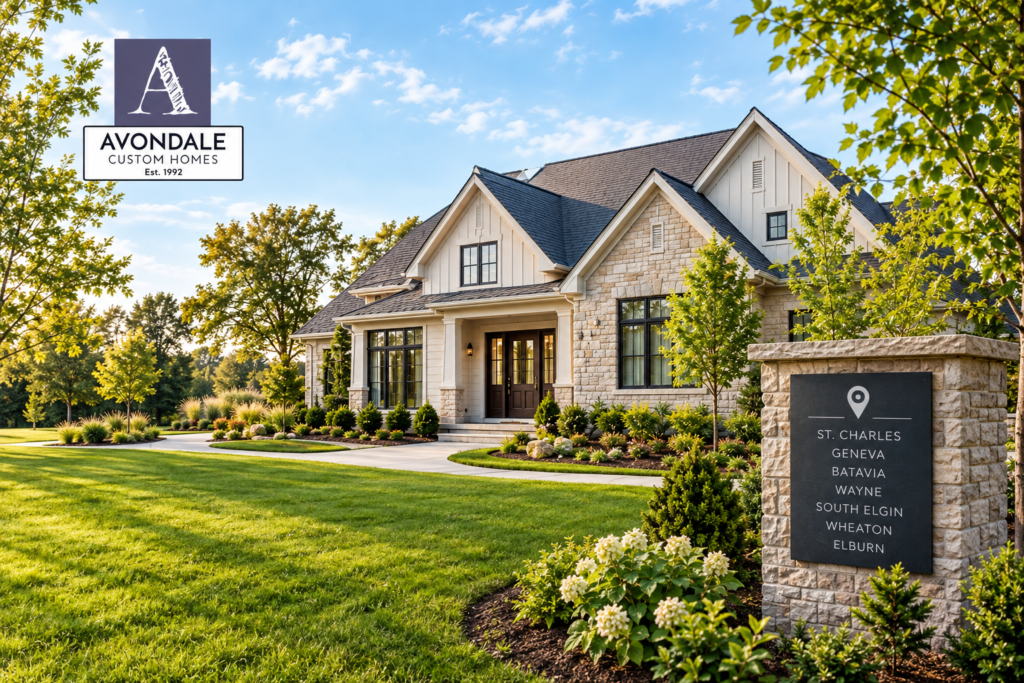
Local permitting knowledge matters more than people expect. A builder who regularly works in your community, whether that is St. Charles, Geneva, Batavia, Wayne, South Elgin, Wheaton, or Elburn, already understands the local approval process and typical timelines, which can prevent unnecessary delays once construction begins.
This kind of familiarity also tends to smooth out inspections, since a builder who already has a working relationship with local inspectors usually knows what they will be looking for at each stage.
Custom Home Builder Questions to Ask Before You Sign
A short list of direct questions can reveal more than an hour of general conversation. Ask how many projects the builder typically manages at once, since a company stretched too thin across multiple sites may not give your project the attention it needs.
Ask who your actual day-to-day point of contact will be once the project starts, and how often you can expect updates.
Ask what happens when something unexpected comes up during construction, since how a builder answers that question tells you a lot about how the rest of the relationship will go.
Read the Contract Line by Line
A thorough builder contract review before signing anything is one of the most important steps in the entire process, and it is also the one people rush through most.
Look closely at the payment schedule and what triggers each draw. Understand exactly how change orders are priced and documented, since this is where costs quietly grow on many projects.
Check what allowances are built in for items like fixtures and flooring, and what happens if your selections cost more than the allowance covers. A vague contract now almost always becomes a disagreement later.
Understand the Warranty Coverage
A custom home warranty typically covers different elements for different lengths of time. Many builders in the industry structure coverage around a shorter period for workmanship, a couple of years for major systems like plumbing and electrical, and a longer window for structural elements.
Ask your builder directly what their specific warranty includes, what is excluded, and how warranty claims actually get handled once you have moved in, since the answer varies quite a bit from one builder to the next.
Communication and Project Management Style
Building a custom home takes months, and the day-to-day experience of working with your builder matters just as much as the finished product.
Ask how updates are typically shared, whether that is a weekly call, a project management app, or something else entirely.
A builder who communicates clearly and consistently from the very first meeting is usually a good sign of what the rest of the build will feel like.
Pay attention, too, to how quickly a builder responds during the early conversations, before any contract is signed, since that response time rarely improves once the relationship is locked in.
Use a Checklist to Compare Builders Side by Side
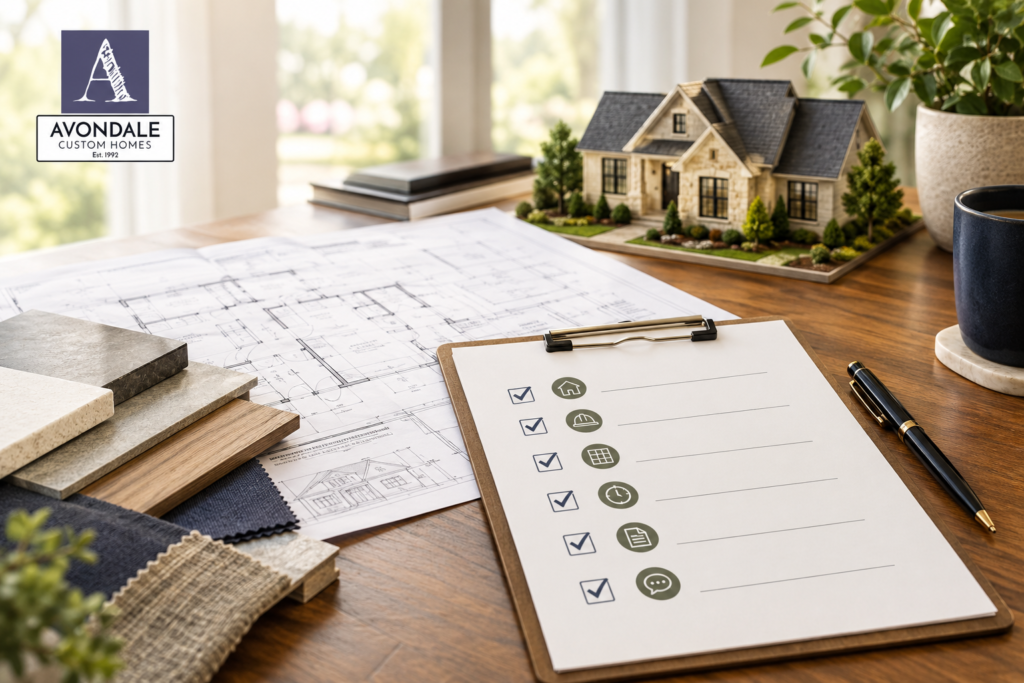
When you are hiring a home builder and evaluating more than one company at once, a simple custom home builder checklist keeps the comparison fair.
Note each builder's licensing status, insurance coverage, typical timeline, warranty terms, and communication style side by side, rather than relying on memory or a general impression after each meeting.
Comparing builders on the same criteria makes it much easier to see real differences instead of just reacting to whoever presented most recently.
Builder Comparison Checklist
- Licensing and insurance
- Local building experience
- Completed project portfolio
- Typical construction timeline
- Contract terms and payment schedule
- Change-order process
- Warranty coverage
- Communication and project management
Why Local Experience in the St. Charles Area Matters
Avondale Custom Homes builds throughout St. Charles and the surrounding communities of Geneva, Batavia, Wayne, South Elgin, Wheaton, and Elburn, which means the team already understands the permitting process, lot conditions, and architectural character specific to this part of the Chicago suburbs.
That local familiarity often translates into fewer surprises and a smoother process from the first design conversation through the final walkthrough.
Ready to Start Planning Your Custom Home?
Take the time to compare builders carefully and choose a team that aligns with your project, communication expectations, and construction goals.
Frequently Asked Questions
Begin by reviewing completed projects in person, confirming licensing and insurance, and talking to at least two or three builders so you have something to compare against.
Focus on project capacity, your actual point of contact once construction begins, and how the builder handles unexpected issues, since these answers tend to predict the overall experience better than pricing alone.
Pay closest attention to the payment schedule, how change orders are priced, and what allowances are included for finishes, since these areas are the most common source of disputes later in the project.
Coverage lengths vary by builder and by category, often with shorter terms for workmanship, a few years for major systems, and longer coverage for structural elements. Always ask your specific builder for exact terms in writing.
Yes. Talking with at least two or three builders gives you a real basis for comparison, both on price and on how each one answers your questions, rather than judging a single builder in isolation.