
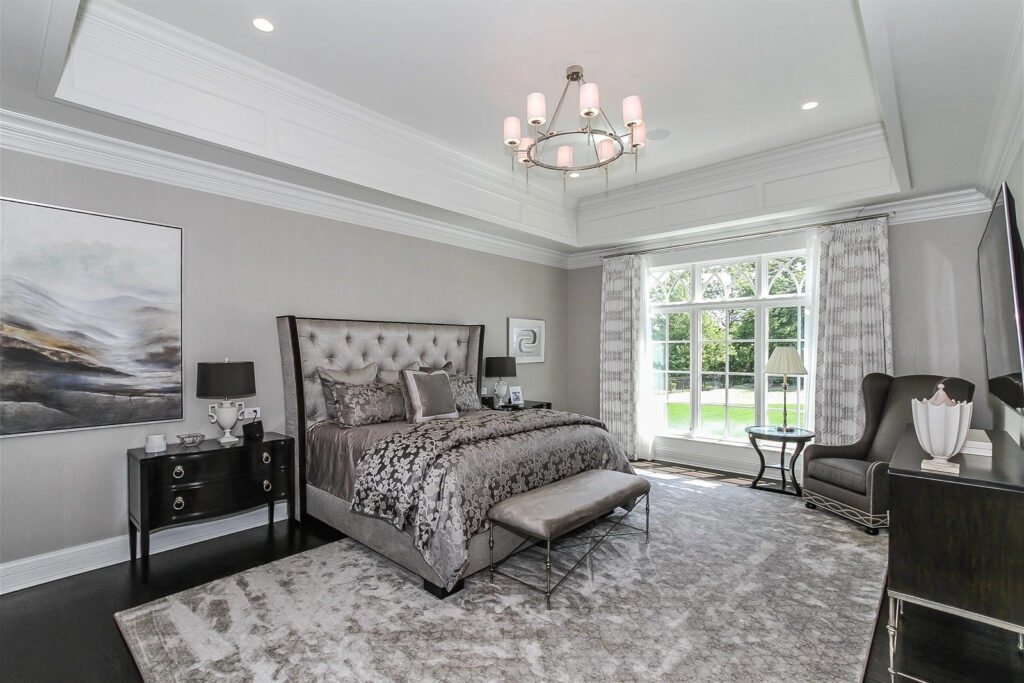
A whole home remodel is exciting. It’s also one of the biggest projects most homeowners ever take on. You’re not just updating a kitchen or a bathroom. You’re rethinking how the entire house works, from the layout and lighting to the way rooms connect.
Projects like this rarely go over budget because of one big mistake. They drift because of dozens of small, late decisions. The best protection is a good plan made early. Here’s how to plan home remodel priorities step by step, from the first walkthrough to move-in day.
Step 1: Start With How You Live
Before you look at a single tile sample, walk through your home and pay attention to how you actually use it.
- Where does clutter pile up?
- Which rooms feel dark, cramped, or unused?
- Where do people gather, and is there room for them?
- What will you need in five or ten years, like a main-floor bedroom, a home office, or space for visiting family?
Write it down. This list becomes the backbone of your design and helps you say no to ideas that don’t serve it.
Step 2: Separate Needs From Wants
Sort your list into three groups:
- Must-haves: problems that need fixing, like an outdated electrical system, a leaking roof, or a layout that doesn’t work
- High priorities: changes that would make a big difference in daily life
- Nice-to-haves: upgrades you’d love if the budget allows
This simple exercise makes every later decision easier, especially when you need to trim.
Step 3: Set a Realistic Budget, With a Cushion
Decide what you’re comfortable spending, then set aside a contingency for the unexpected. Older homes in particular can reveal surprises once walls are opened. Keeping part of the budget in reserve means a hidden issue won’t derail everything else. Ask your builder how much of a cushion makes sense for your home.
Be honest with your builder about your number. A good team will shape the design to fit it instead of presenting a plan you’ll have to cut later.
Step 4: Choose the Right Home Renovation Company
If you’ve typed “remodelling contractor near me” into a search bar lately, you’ve probably noticed how many options come up. For a whole home renovation, look beyond price.
- Experience with projects of this size. Work at this scale involves structure, systems, and finishes all at once.
- Design and construction under one roof. When the same team designs and builds, ideas get checked against cost and structure early.
- A clear process. Ask exactly how the project moves from first meeting to final walkthrough.
- Permit knowledge. Your builder should handle drawings, submissions, and inspections for your community.
- References and finished work. Look at completed homes, not just renderings.
Step 5: Spend Real Time on Design
This is where budgets are won or lost. Every decision made during design costs far less than one made during construction.
Finalize:
- The layout, including which walls move
- Plumbing and electrical locations
- Windows and doors
- Cabinetry, millwork, and built-ins
- Flooring, tile, counters, fixtures, and lighting
When selections are locked in before work begins, the schedule holds and pricing stays steady.
Step 6: Plan the Order of Work
A project like this follows a logical sequence: structural changes first, then mechanical systems like plumbing, electrical, and HVAC, then insulation and drywall, and finally finishes. Your builder will manage this, but it helps to understand it so you know why certain decisions are needed early.
Step 7: Plan for Living Arrangements
Will you stay in the home during construction or move out? For a project this size, many families find it easier to live elsewhere for part or all of the project. If you stay, plan for limited kitchen access, dust, and noise, and talk with your builder about which areas can stay usable.
How to Start a Home Renovation Project the Smart Way
If you’re wondering how to start a home renovation project of this scale, the short answer is: start with a conversation, not a contractor’s calendar. Bring your list of needs and wants, a few photos of homes you love, and your budget range. A good builder will help you see what’s realistic, what it may cost, and where you’ll get the most value.
Ways to Protect Your Budget
- Keep plumbing in place where it already works
- Invest in the things you touch every day and save on purely decorative extras
- Make selections before construction starts
- Avoid mid-project changes unless they’re truly necessary
- Keep your contingency for real surprises, not upgrades
How Avondale Custom Homes Approaches Large Remodels
Avondale Custom Homes is an award-winning, St. Charles-based design-build team that has served Chicagoland since 1992. Our remodels follow four clear steps: an initial consultation to define your needs, goals, budget, and expectations; design and planning to create layouts, choose materials, and finalize the plan; construction and execution with close attention to quality and timeline; and a final review and handover once every detail is complete.
Because the same team handles design and construction, you have one point of contact from start to finish. Interior selections are handled in-house, and we manage permits and inspections in the communities we serve. Learn more about our remodeling services, or start your project with a conversation.
Frequently Asked Questions
How long does a whole home remodel take?
It depends on the size of the home and the scope of work, plus time for design and permits. Your builder can give you a realistic timeline after reviewing the plan.
Should I move out during a whole home renovation?
For large projects, many homeowners do. It usually makes work faster and daily life easier.
How much should I set aside for surprises?
It depends on the age and condition of your home. Your builder can suggest a sensible cushion after seeing the house.
What is the first step?
Make a list of how you use your home and what isn’t working, then talk with a design-build team about your goals and budget.
A whole home remodel is a big investment, but it doesn’t have to be a stressful one. Start with how you live, plan carefully, and work with a team you trust, and the result can be a home that fits your life for years to come.